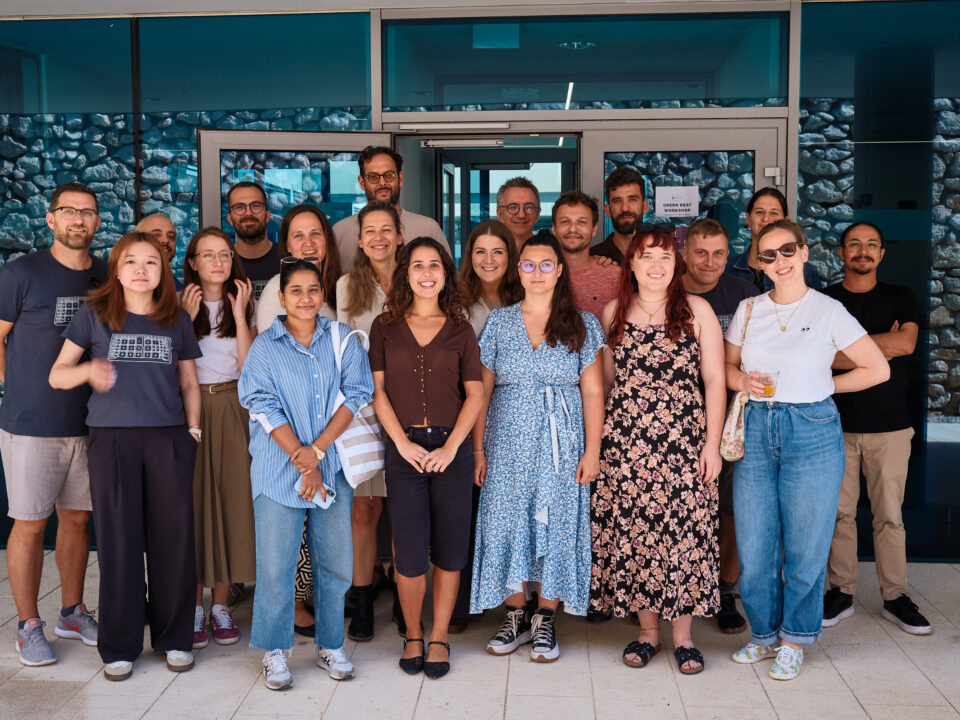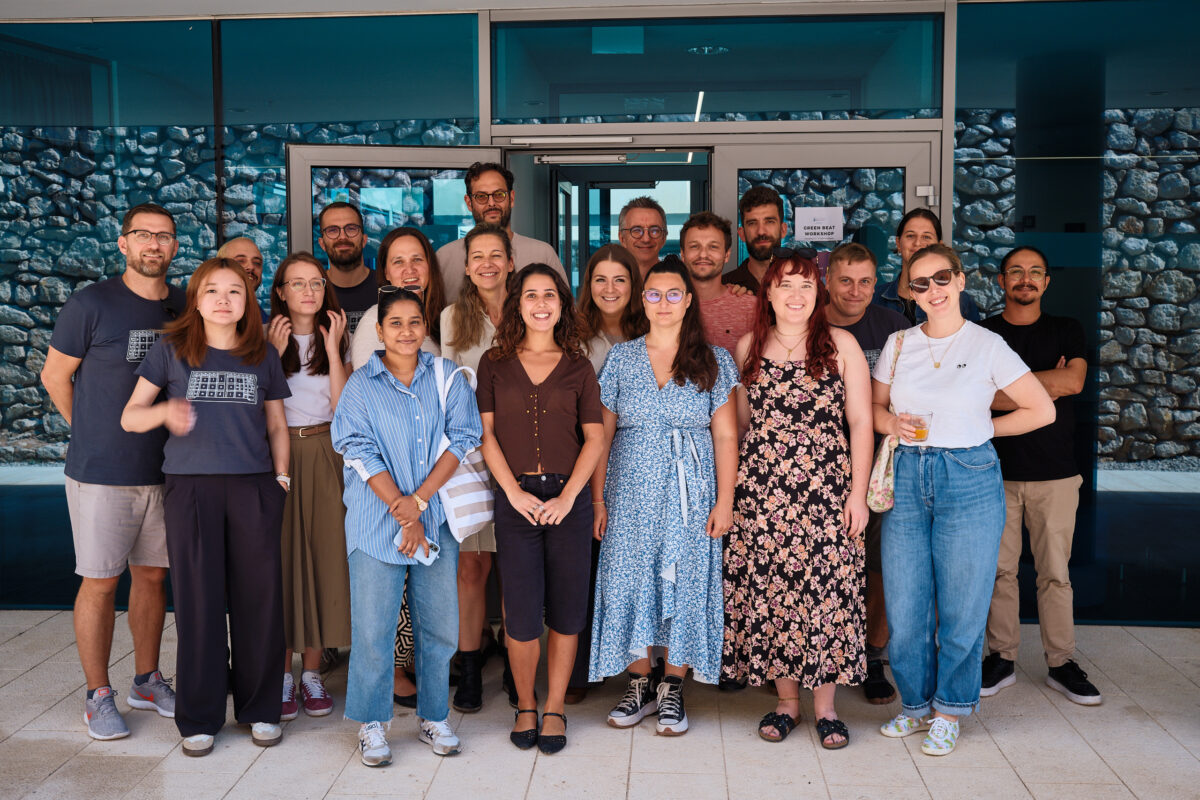
Political Economies of the Media Summer School Successfully Concluded
October 27, 2025
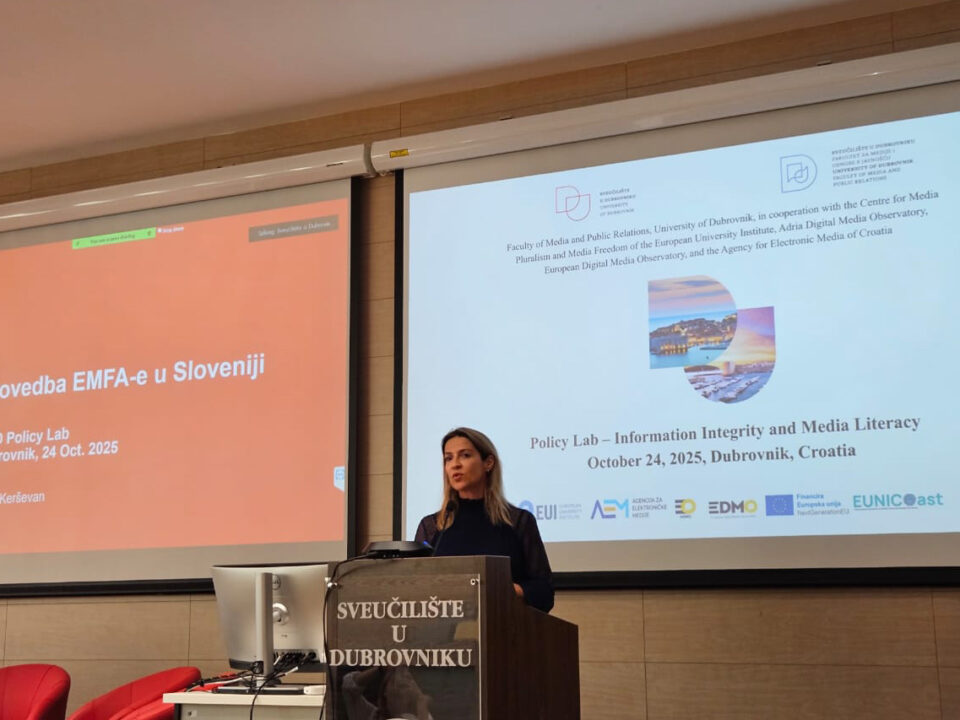
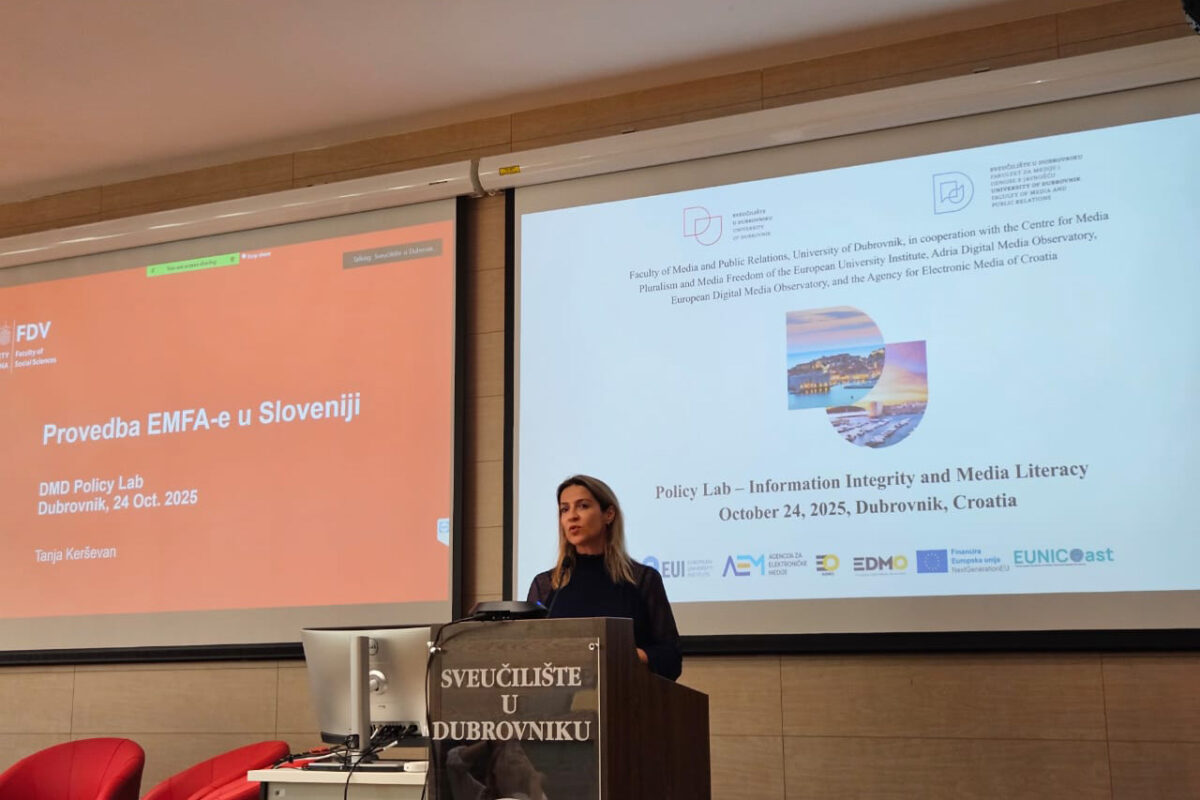
Presentations at Dubrovnik Media Days
November 10, 2025
New Research: How Yugoslavia Balanced Socialist Ideals and Geopolitics in Global Communication Reform
Sašo Slaček Brlek, Research Associate at the Social Communication Research Centre, presented his paper, “Between Emancipation and Accommodation: Yugoslavia’s Leadership in the New World Information and Communication Order (NWICO),” at the 7th International Conference “Socialism on the Bench” in Pula, Croatia, held from September 18 to 20, 2025. This biennial conference series, organized since 2013, is a significant meeting point for researchers, attracting about one hundred participants to discuss the history and relevance of socialism, with selected papers often published in edited volumes and journals.
The paper positioned Yugoslavia’s previously under-researched role in NWICO as a critical case study of how socialist principles and Non-Aligned solidarity converged to shape global media reform efforts in the 1970s.
This research on global information flows in the 1970s is especially significant for the Social Communication Research Centre, as it directly relates to the Centre’s institutional origins. The Centre was founded in the early 1970s, coinciding with its acquisition of a major UNESCO research project on international communication structures in Yugoslavia. This connection demonstrates the Centre’s decades-long commitment to studying global communication policy.
The analysis centered on the paradox of Yugoslavia’s dual identity: as a socialist republic promoting the democratization of media infrastructure and as a leading Non-Aligned Movement (NAM) force seeking strategic geopolitical influence. Slaček Brlek argued that Yugoslavia used NWICO both to criticize Western media monopolies and cultural imperialism and to pragmatically leverage the global platform to strengthen its international standing and internal stability during the Cold War crisis of US hegemony.
This dynamic demonstrates that the idealistic goals of communication reform were fundamentally intertwined with the practical requirements of state power, illustrating how socialist ideas were promoted but ultimately constrained by geopolitical realities as Yugoslavia navigated between emancipatory aspirations and necessary accommodation. The paper made a vital contribution to the conference theme, “Global Socialism and Non-Alignment,” advancing the debate on global socialism’s influence in shaping postcolonial communication policies.